
What Is Roof Pitch?
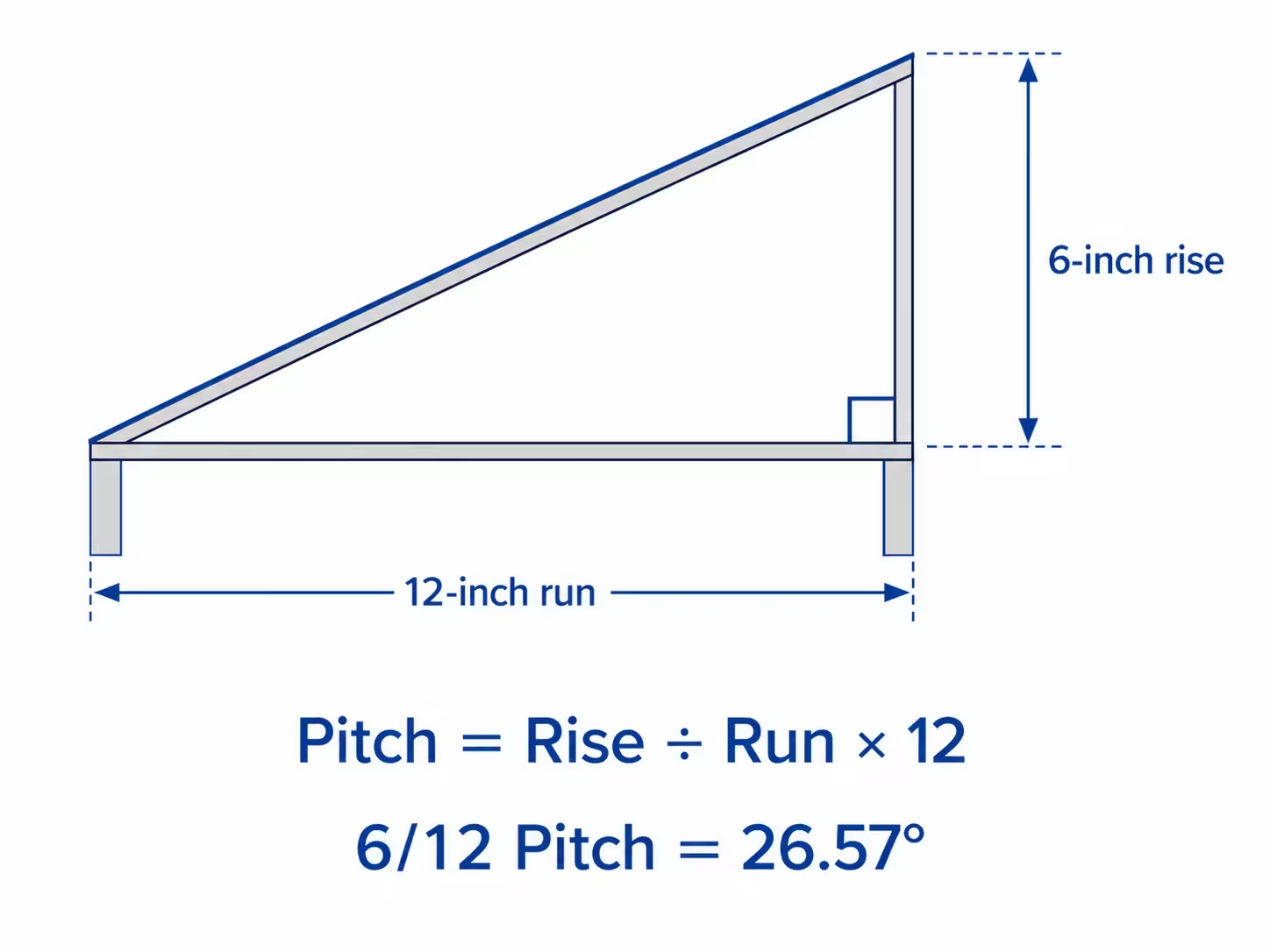
Roof pitch is the slope of a roof, expressed as the ratio of vertical rise to horizontal run over a 12-inch span. The X/12 notation became standard in US construction because tape measures and framing levels read inches directly. Contractors, architects, and building codes all use this format.
A 6/12 pitch rises 6 inches for every 12 inches of horizontal distance, or about 26.57 degrees. People use "pitch" and "slope" interchangeably, but they're not the same. Pitch is the X/12 ratio used by roofers and framers. Slope is the angle in degrees or percent.
Roof Pitch Chart with Multipliers
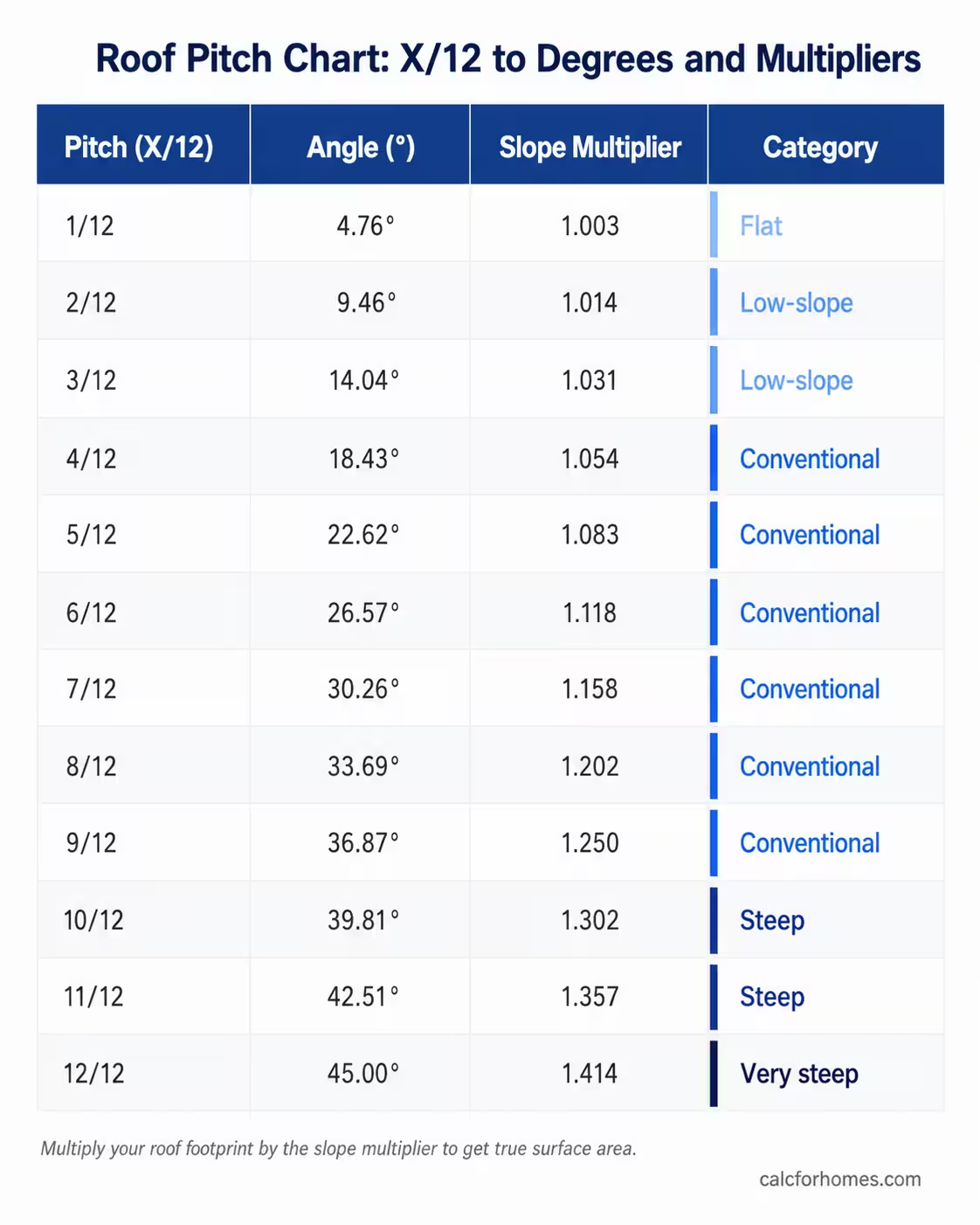
The slope multiplier converts a roof's footprint area to its actual surface area for material ordering. The formula is sqrt(rise² + run²) ÷ run. A 6/12 pitch gives sqrt(180) ÷ 12 = 1.118.
| Pitch (X/12) | Angle (Degrees) | Slope Multiplier | Category |
|---|---|---|---|
| 1/12 | 4.76° | 1.003 | Flat |
| 2/12 | 9.46° | 1.014 | Flat |
| 3/12 | 14.04° | 1.031 | Low-Slope |
| 4/12 | 18.43° | 1.054 | Conventional |
| 5/12 | 22.62° | 1.083 | Conventional |
| 6/12 | 26.57° | 1.118 | Conventional |
| 7/12 | 30.26° | 1.158 | Conventional |
| 8/12 | 33.69° | 1.202 | Conventional |
| 9/12 | 36.87° | 1.250 | Steep |
| 10/12 | 39.81° | 1.302 | Steep |
| 11/12 | 42.51° | 1.357 | Steep |
| 12/12 | 45.00° | 1.414 | Steep |
| 14/12 | 49.40° | 1.537 | Very Steep |
| 16/12 | 53.13° | 1.667 | Very Steep |
| 18/12 | 56.31° | 1.803 | Very Steep |
How to Measure Roof Pitch
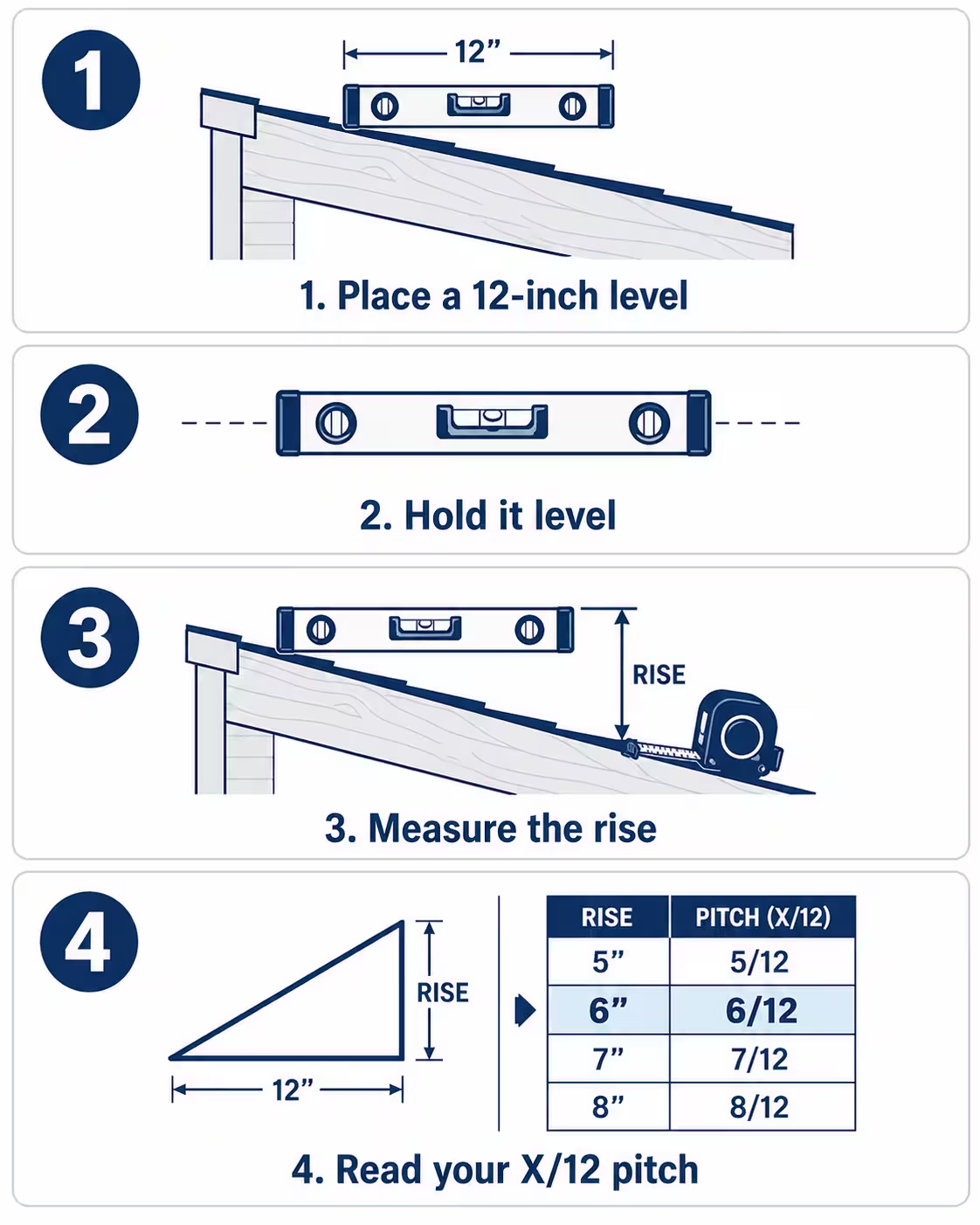
- Place a 12-inch level horizontally against the roof surface or rafter, bubble centered.
- Measure the vertical distance from the free end of the level down to the roof surface using a tape measure.
- Record the rise in X/12 format. A 6-inch vertical drop at the 12-inch end is a 6/12 pitch.
- For safer assessment on steep or icy roofs, measure from attic rafters instead. For full roof area measurement, see our how to measure a roof guide.
- Digital pitch apps like Pitch Gauge or RoofSnap give one-step readings accurate within 0.5 degrees.
Safety note: OSHA regulation 1926.501 requires fall protection harnesses on roofs steeper than 6/12 when working above 6 feet.
Roof Pitch in Degrees vs X/12 Ratio
Architects and structural engineers use degrees because load calculations and 3D modeling rely on angular geometry. Roofers and framers use X/12 because all their tools, framing squares, and IRC tables are calibrated to inches per 12-inch run.
The conversion formula is angle = arctan(rise ÷ run). A 6/12 pitch equals arctan(6 ÷ 12) = 26.57 degrees.
| Pitch (X/12) | Angle (Degrees) | Common Use |
|---|---|---|
| 1/12 | 4.76° | Modern flat roofs, commercial membranes |
| 2/12 | 9.46° | Low-slope residential, metal panel roofs |
| 3/12 | 14.04° | Patio covers, porch additions |
| 4/12 | 18.43° | Standard ranch homes, asphalt shingle minimum |
| 6/12 | 26.57° | Most common American residential pitch |
| 8/12 | 33.69° | Colonial and traditional architecture |
| 9/12 | 36.87° | Steep slope threshold per IRC R905 |
| 12/12 | 45.00° | Alpine, Tudor, and snow-load designs |
Roof Pitch Categories: Flat, Low-Slope, Steep
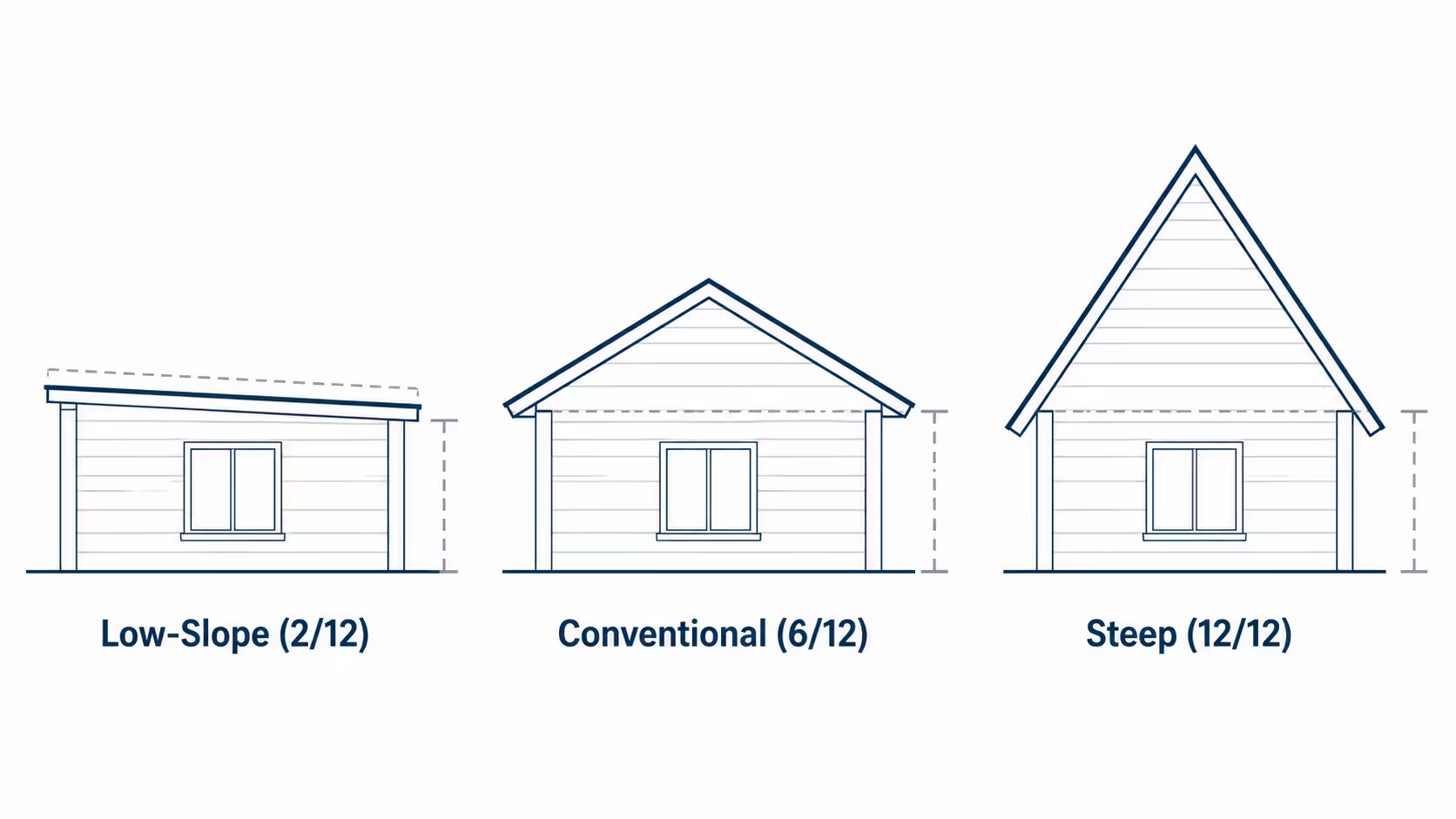
The IRC R905 and ASTM D6757 standards define four categories:
- Flat (0/12 to 2/12): requires continuous membrane materials like EPDM, TPO, or modified bitumen. Shingles can't shed water at this slope.
- Low-slope (2/12 to 4/12): accepts asphalt shingles with double-layer underlayment under IRC R905.1.1, plus metal standing-seam panels rated for low-slope.
- Conventional (4/12 to 9/12): accepts standard 3-tab shingles, architectural shingles, single-layer underlayment, wood shakes, and concrete tile. Covers about 80% of US residential roofs.
- Steep (9/12 to 12/12 and above): requires 6 fasteners per shingle under IRC R905.2.5, fall arrest harness above 6/12 per OSHA 1926.501, and premium installation labor rates.
Building code requirements vary by region. Check with your local county building department before specifying materials. Plug your roof footprint and pitch into our roofing calculator to apply the correct slope multiplier and waste factor in one step.
Why Roof Pitch Matters for Material and Cost Estimation
According to the National Roofing Contractors Association (NRCA), pitch directly influences both quantity and cost in four areas:
- Material quantity: higher pitch increases actual surface area through the multiplier. A 12/12 pitch needs 41.4% more shingles than a flat footprint of the same dimensions.
- Material type: low-slope roofs below 2/12 can't use standard asphalt shingles. They need membrane systems like TPO, EPDM, or modified bitumen.
- Labor cost: steep pitches above 6/12 raise labor rates by 25 to 50 percent. Installation is slower, harnesses are required, and material batches are smaller.
- Drainage and weather: pitch determines water shedding speed and snow load accumulation. Northeast snow regions typically favor 6/12 to 12/12.
Example: a 2,000 square foot footprint with a 6/12 pitch becomes 2,236 square feet of actual roof area using the 1.118 multiplier. That adds 2.36 roofing squares to the material order.
Standard Residential Roof Pitches in the US
Standard residential pitches range from 4/12 to 9/12, though regional climate and architectural style narrow typical ranges further:
| Region | Common Pitch Range | Reason |
|---|---|---|
| Northeast and Snow Regions | 6/12 to 12/12 | Snow shedding under IRC R301.2 snow load |
| Midwest and Rain Regions | 4/12 to 8/12 | Standard drainage with moderate snow |
| South and Sunbelt | 4/12 to 6/12 | Mild weather, lower snow load |
| Coastal and Hurricane Zones | 5/12 to 7/12 | Wind balance under IBC 1609 |
| Modern and Flat Designs | 1/12 to 2/12 | Aesthetic and rooftop deck designs |
These ranges are typical, not absolute. Local architecture, HOA rules, and snow load codes may push your project outside them.