
How much does it cost to replace a roof?
Roof replacement runs $5,000 to $30,000 nationally. Most homeowners pay $8,000 to $15,000 for a standard single-family home. Per-square-foot pricing is $4 to $8 for asphalt shingle jobs, while premium materials reach $10 to $25 per square foot.
Three factors drive pricing: total roof area, material grade, and regional labor rates. A 1,500 square foot asphalt replacement averages $7,800 to $13,650. The same home in standing-seam metal runs $15,600 to $27,300. National figures assume moderate 4/12 to 6/12 pitch and average U.S. contractor labor of $50 to $80 per hour. Most contractors include tear-off, disposal, and a basic warranty per the National Roofing Contractors Association.
Roof replacement cost by material
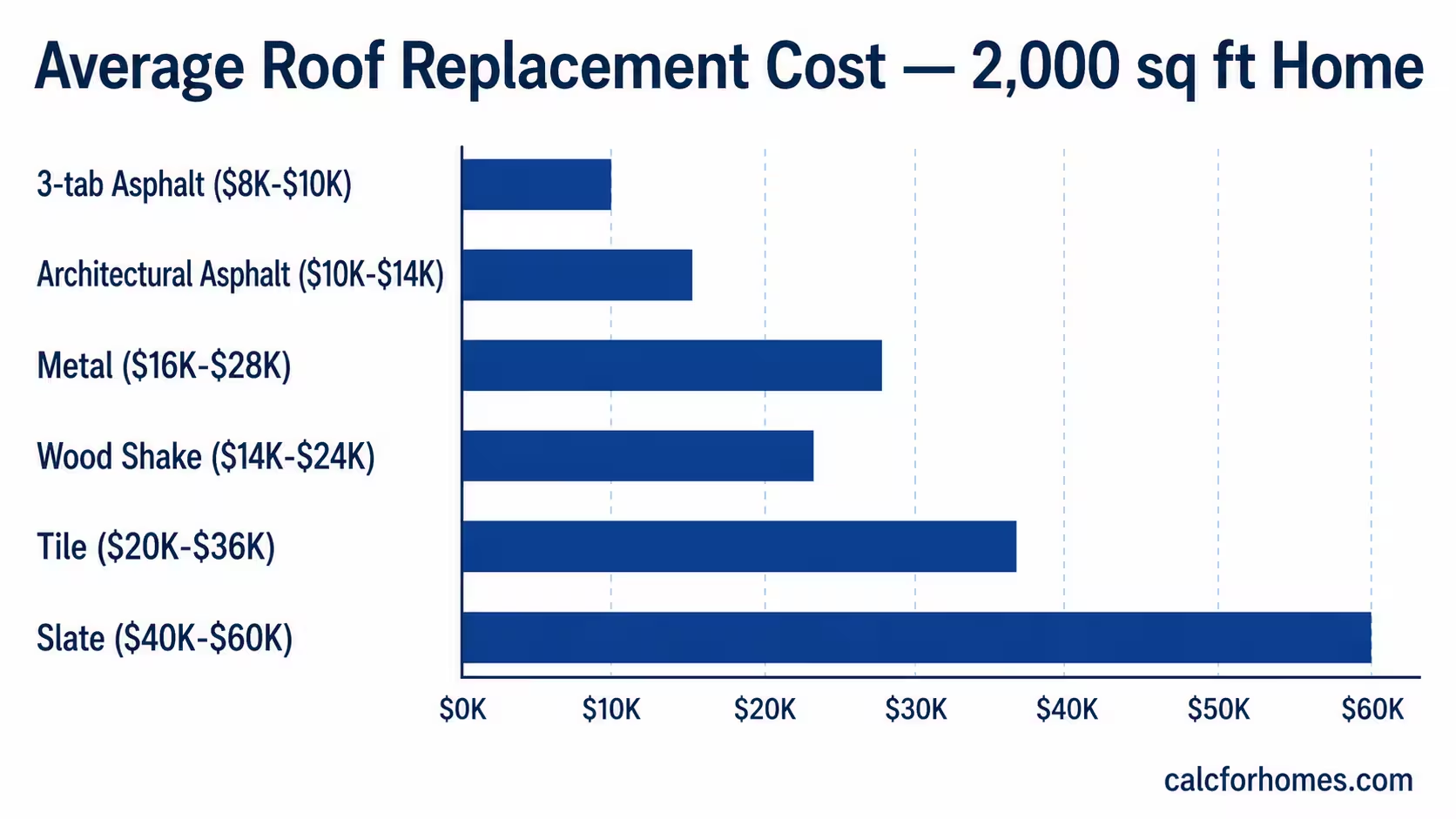
Pricing varies by material, from $4 per square foot for 3-tab asphalt shingles to $30 per square foot for natural slate. Material is roughly 40 percent of total project cost.
| Material | $ / sq ft | 2,000 sq ft total | Lifespan |
|---|---|---|---|
| Asphalt (3-tab) | $4 to $5 | $8,000 to $10,000 | 15 to 20 years |
| Asphalt (architectural) | $5 to $7 | $10,000 to $14,000 | 25 to 30 years |
| Metal (steel/aluminum) | $8 to $14 | $16,000 to $28,000 | 40 to 70 years |
| Tile (concrete or clay) | $10 to $18 | $20,000 to $36,000 | 50+ years |
| Slate | $20 to $30 | $40,000 to $60,000 | 75 to 150 years |
| Wood shake | $7 to $12 | $14,000 to $24,000 | 25 to 40 years |
For deeper comparisons of durability, style, and climate fit beyond cost, see our roofing materials comparison guide.
Roof replacement cost by house size
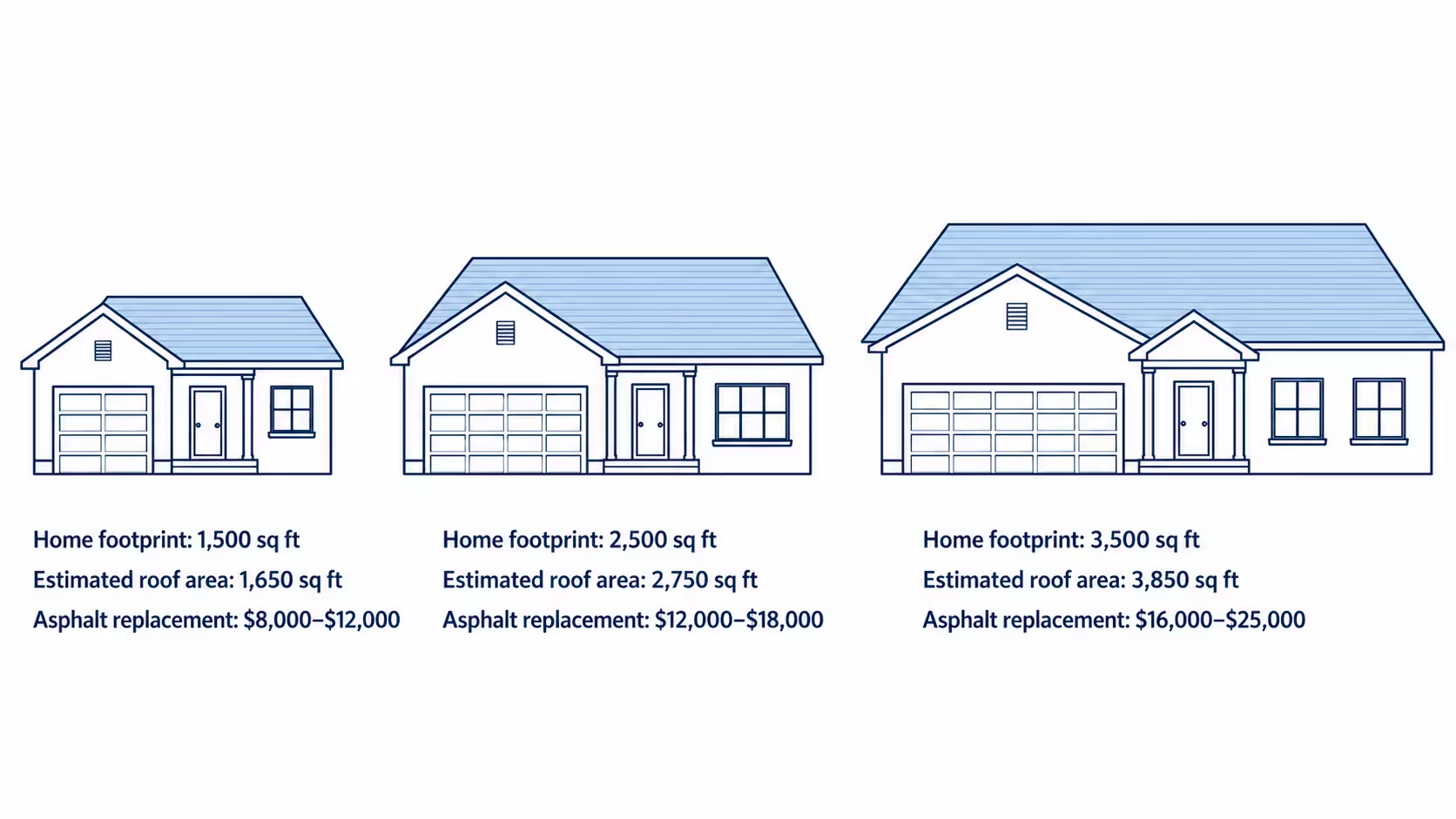
Pricing scales from about $5,200 for a 1,000 square foot home with asphalt to over $63,000 for a 3,500 square foot home with metal. Roof area is bigger than the home footprint because of pitch. A typical 4/12 to 6/12 roof measures 1.3 times the floor area.
| Home size | Est. roof area | Asphalt total | Metal total |
|---|---|---|---|
| 1,000 sq ft | 1,300 sq ft | $5,200 to $9,100 | $10,400 to $18,200 |
| 1,500 sq ft | 1,950 sq ft | $7,800 to $13,650 | $15,600 to $27,300 |
| 2,000 sq ft | 2,600 sq ft | $10,400 to $18,200 | $20,800 to $36,400 |
| 2,500 sq ft | 3,250 sq ft | $13,000 to $22,750 | $26,000 to $45,500 |
| 3,000 sq ft | 3,900 sq ft | $15,600 to $27,300 | $31,200 to $54,600 |
| 3,500 sq ft | 4,550 sq ft | $18,200 to $31,850 | $36,400 to $63,700 |
Estimates assume moderate 4/12 to 6/12 pitch and average U.S. labor rates. Steeper roofs and high-cost regions push these figures higher.
What's included in a roof replacement cost?
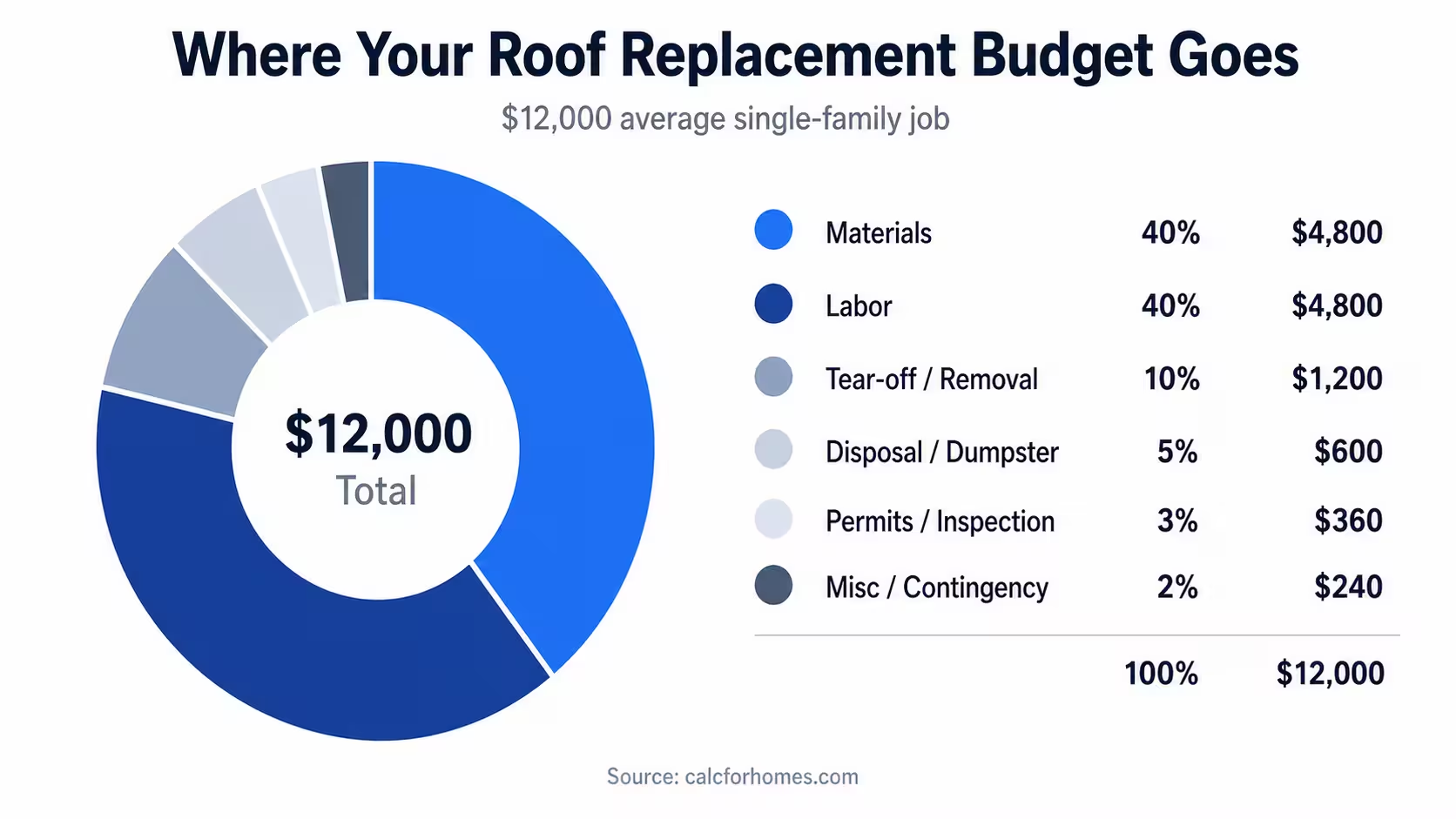
A standard quote covers 7 main line items: materials, labor, old roof removal, disposal, permits, accessories, and warranty. Contractors usually bundle these into one figure but will itemize on request.
The 7 components below show allocation for a typical $12,000 asphalt replacement:
- Materials (shingles, underlayment, flashing) account for about 40 percent of total. That covers shingle bundles, synthetic or felt underlayment, drip edge, and step flashing.
- Labor for tear-off and install runs about 40 percent. Crew rates are $40 to $90 per hour depending on region and crew size.
- Old roof removal (tear-off) is about 10 percent. A second or third existing layer adds $1 to $2 per square foot.
- Disposal and dumpster rental account for 3 to 5 percent. A 20-yard dumpster runs $300 to $600 in most U.S. markets.
- Permits and inspections cover 1 to 3 percent. Building permits cost $150 to $500, depending on jurisdiction.
- Accessories like drip edge, ridge cap, and ice and water shield come bundled in the price for most full-tear-off jobs.
- Manufacturer and workmanship warranties come bundled. Manufacturer coverage runs 25 to 50 years. Contractor workmanship runs 2 to 10 years.
Some quotes itemize each line. Others give a single bundled price. Both are normal, but always request a written breakdown for comparison shopping.
Factors that affect roof replacement cost
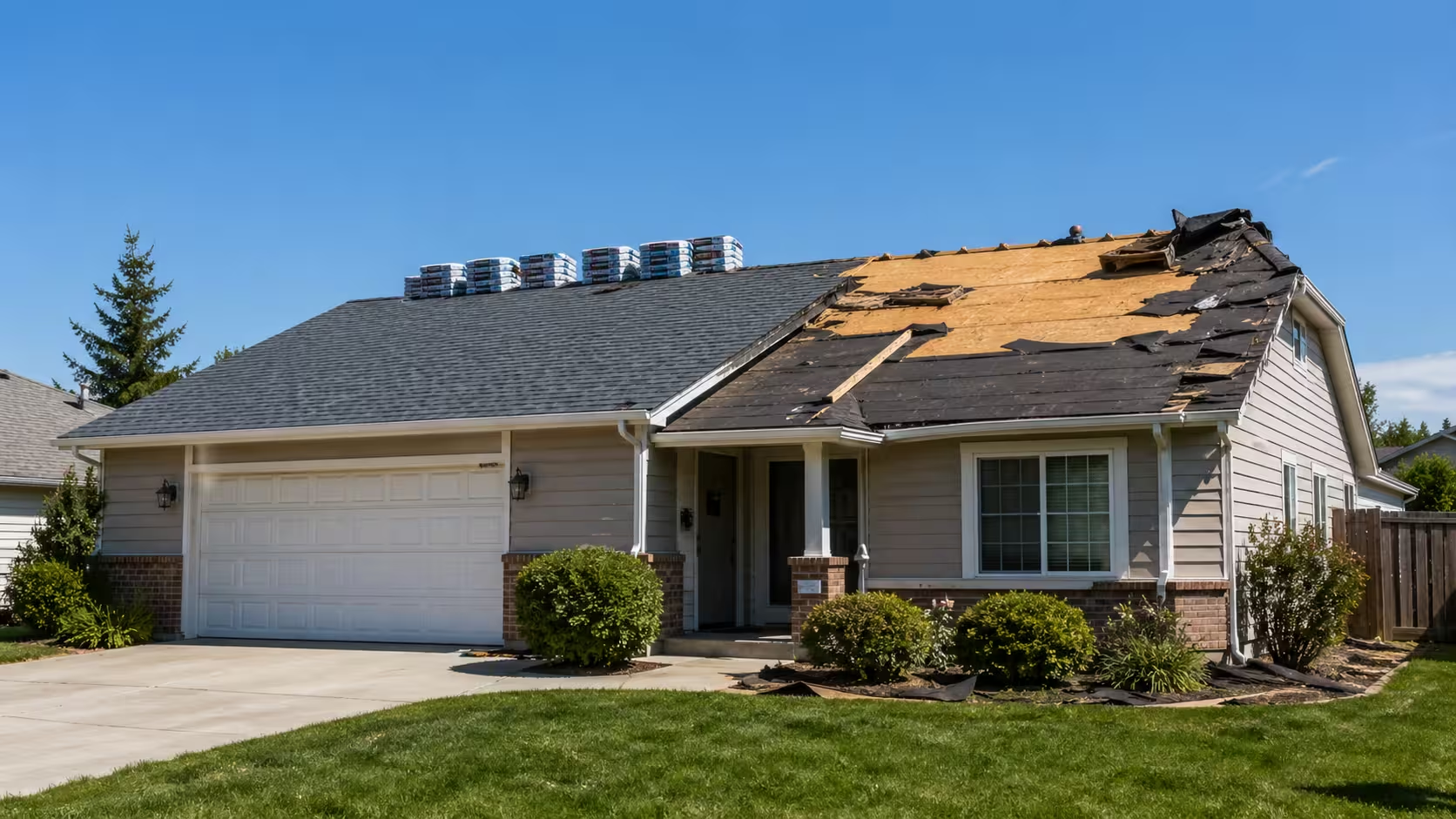
Seven primary factors affect roof replacement cost: roof size and pitch, complexity, material choice, layer removal, geographic location, season and timing, and permits. The same 1,800 square foot home can quote at $7,000 in one zip code and $14,000 in another.
- Roof size and pitch matter most. Steeper roofs of 8/12 pitch or higher cost 15 to 30 percent more because of slower install speed and required safety equipment. A 12/12 pitch can require 30 to 50 percent more labor hours than a 4/12 of the same area.
- Complexity adds up fast. Multiple valleys, dormers, skylights, and chimneys add cuts, flashing, and labor hours. A roof with 4 or more penetrations runs 10 to 20 percent more than a simple gable.
- Material choice accounts for 30 to 50 percent of total cost. See the table above for typical spreads.
- Layer removal adds cost. A single tear-off is standard. A second or third layer removal adds $1 to $2 per square foot in extra labor and disposal.
- Geographic location shifts labor rates by region. Labor runs $40 per hour in low-cost areas like the rural Midwest, and $90 or more per hour in coastal cities like Boston, Miami, and San Francisco. Storm-prone zones often carry higher base rates because they require wind-rated materials.
- Season and timing affect price. Late spring through fall is peak season with premium pricing. Many regional contractors give 10 to 20 percent winter discounts, weather permitting.
- Permits and code upgrades vary by jurisdiction. Some require re-decking, ice and water barrier, or wind-rated underlayment. These code upgrades add $500 to $2,500 to a standard job.
National averages and material tables get you the right ballpark, but your roof's actual cost depends on its size, pitch, complexity, and local labor rates. For an estimate tailored to your home, use our roof replacement cost calculator. It factors in roof area, material choice, removal, and regional pricing in seconds.
Roof replacement cost vs roof repair cost
The choice between replacement and repair depends on age and damage scope. Repair runs $150 to $1,500 for localized damage. Full replacement runs $8,000 to $15,000 or more. Most homeowners consider repair when leaks appear, but repair only makes long-term economic sense in specific conditions.
| Scope | Typical cost range |
|---|---|
| Repair (small leak, missing shingles) | $150 to $1,500 |
| Partial replacement (one slope or section) | $1,500 to $5,000 |
| Full replacement | $8,000 to $15,000+ |
Repair makes economic sense when the roof is under 15 years old and damage is localized to a small area. Full replacement protects against compounding repair bills when the roof is 20 or more years old, has multiple leak points, or sustained widespread storm damage. Repair on a 25-year-old roof typically costs more across 3 to 5 years of compounding patches than a single replacement that lasts the full 25 years.
Does a new roof increase home value?
A new roof increases home value and recoups 60 to 70 percent of its cost at resale for asphalt shingles, or 85 percent or more for standing-seam metal, according to Remodeling Magazine's annual Cost vs. Value Report. Buyer reassurance is the second value driver: a newer roof signals lower near-term repair risk and often reduces inspection contingencies during sale negotiations.
Some homeowners insurance carriers, including State Farm and Allstate, give 10 to 30 percent premium discounts for impact-rated Class 4 shingles. Those discounts add ongoing return on top of resale value. For sellers who list within 5 years of installation, a new roof recoups most of its $8,000 to $15,000 cost.
How to save on roof replacement costs
Six reliable ways to save on roof replacement costs without sacrificing quality:
- Get 3 or more written bids from licensed local contractors. The spread between low and high quotes for the same scope often runs 20 to 40 percent. Before getting bids, run your roof area through our roofing calculator to know how many squares of material the job actually needs. That lets you spot inflated material lines in any quote.
- Schedule the job in off-season, like late winter or early spring, for 10 to 20 percent labor discounts in many U.S. regions where weather permits a safe install.
- Choose architectural shingles over 3-tab. The upfront cost is $1 to $2 more per square foot for a 10 to 15 year longer lifespan.
- Avoid layering over existing shingles. A full tear-off protects the manufacturer warranty and exposes hidden deck damage that would shorten the new roof's life.
- File an insurance claim if storm, hail, or wind damage caused the failure. These causes qualify under most standard homeowners policies.
- Check for energy and solar rebates, plus manufacturer promotions on energy-rated cool-roof shingles. Some U.S. utilities and state programs, including ENERGY STAR partner rebates, give $500 to $1,500 on qualifying installations.